

The Ultimate Guide: How to Build An Effective Loyalty Program
Gain expert insights and practical tips to help you build a loyalty program that truly resonates with your customers.
Guide Contents

Want to Read it Later? No problem.
Introduction: How to Build an Effective Loyalty Program
The competitive retail landscape is growing YoY and new retail technologies are progressing in intelligence, affordability, and availability. With each advancement, it’s becoming more and more crucial for mall operators to drive customer loyalty and find unique ways to set themselves apart from their competitors.
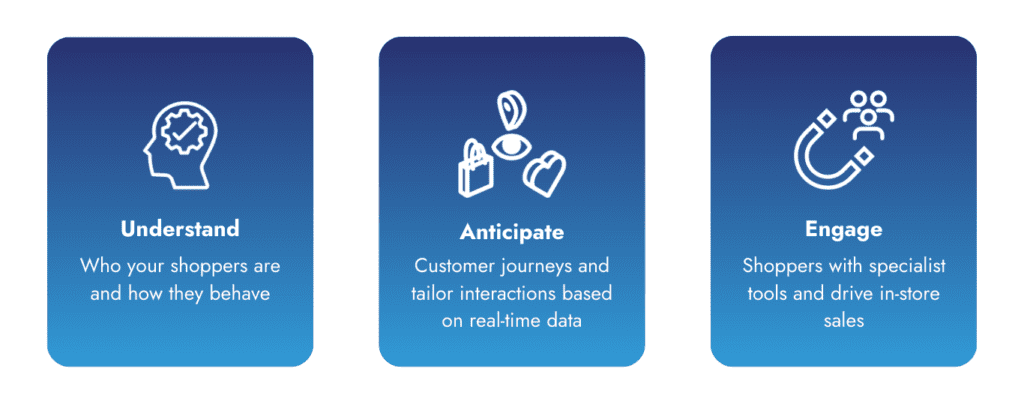
To stand out from the crowd, mall operators must understand what their shoppers want, to successfully meet their needs. Collecting this information can be challenging, so many operators start small by collecting data through wifi forms or even in-store. However, the easiest and most efficient way to collect customer data and truly understand your shoppers is by leveraging an engagement platform. This way, you can make strategic decisions based on real-time data, that is not only measurable but actionable.
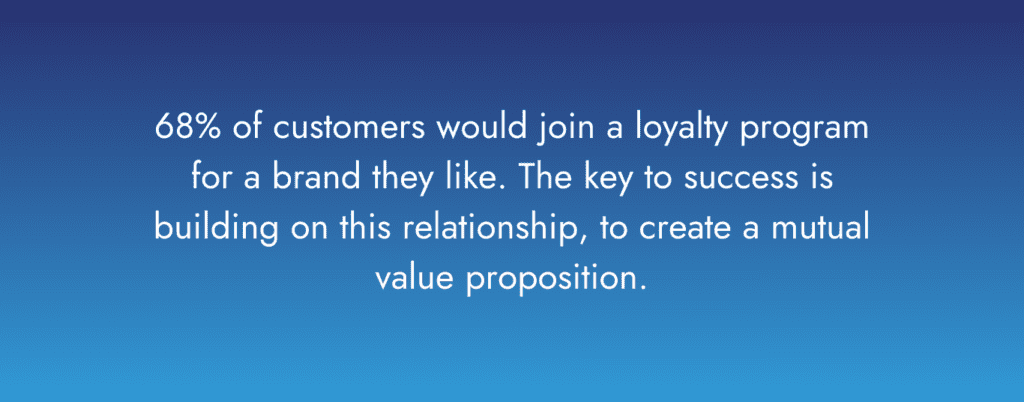
68% of consumers would join a customer loyalty program for a brand they like. Apply this to your entire shopping mall and you start to understand the impact that a loyalty program can have on customer engagement.
What is a Customer Loyalty Program?
In the simplest of forms, a customer loyalty program is a marketing tactic that a business uses to promote customer engagement. There are hundreds of ways to run a program, but many models will function as a paid or free ‘membership’ that offers value to a customer in return for a desired behavior.
There are lots of reasons why a customer might gravitate toward your shopping mall or brand in the first place. Perhaps they live locally, engage with mall events and activities, or have a strong affinity for a few of your brands. A loyalty program can help you nurture this existing relationship, creating a mutual value proposition that benefits both the shopper, the tenant and the mall operator.

Why You Need Customer Loyalty
- Loyal customers are likely to spend more money and visit your destination more often.
- Insights into your customers’ habits (where they shop, how much they spend, how often they visit, their preferences!)
- A ready-made pool of marketable customers that you can directly communicate with
- Repeat customers cost far less than customer acquisition
- Recommendations from brand advocates will aid acquisition at no additional cost to you
- You will most definitely hold an edge over your competitors!
Creating Lasting Shopper Value
What are the Benefits for Shopping Malls?
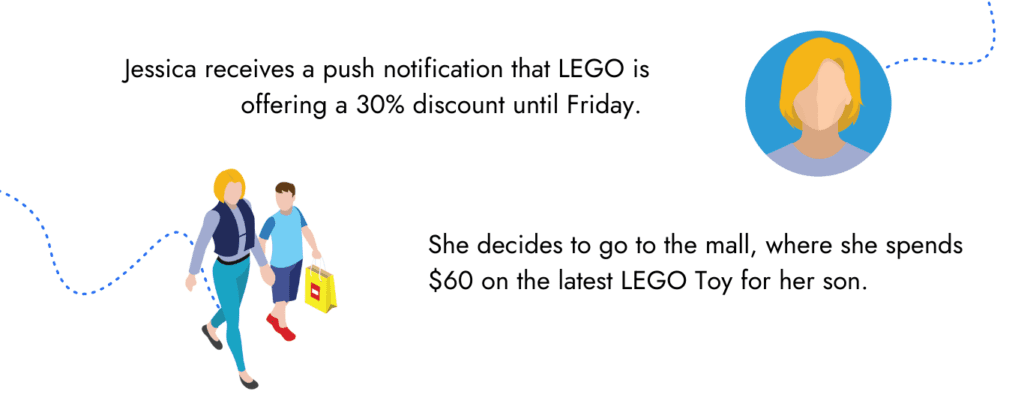
From the above examples, we can see how a loyalty program can positively impact key business results and uplift customer engagement. It has been tried and tested by retail brands for decades, but how does this work within a shopping mall setting?
Malls aggregate multiple brands that wouldn’t traditionally share data. Nearly all retailers rely on data to measure success and plan campaigns. As a result, many retail brands have chosen to launch their own loyalty programs, to build their customer base, create unique shopping experiences, and foster deeper connections. There’s no denying that brands know their shoppers better than anyone! But do they know how their shoppers behave once they leave the store? The answer is no.
The difference with mall-operated loyalty programs is that they offer ‘blind spot’ information that retailers would not otherwise have access to, gathering widespread data across various touchpoints within the mall. This not only helps brands map out their spending demographic but also allows them to identify new customers or possible pitfalls in their marketing strategies.
Shopping mall loyalty programs enable brands to access deeper customer data such as where else their customers shop, their share of wallet in the center, average transaction value, and more. This adds significant value for tenants by providing information unavailable elsewhere. This allied approach to commercial retail can nurture landlord and tenant relationships, while most mall-wide programs complement existing brand loyalty programs by connecting the shopping experience and streamlining their customer journey.
Increased Acquisition and Retention
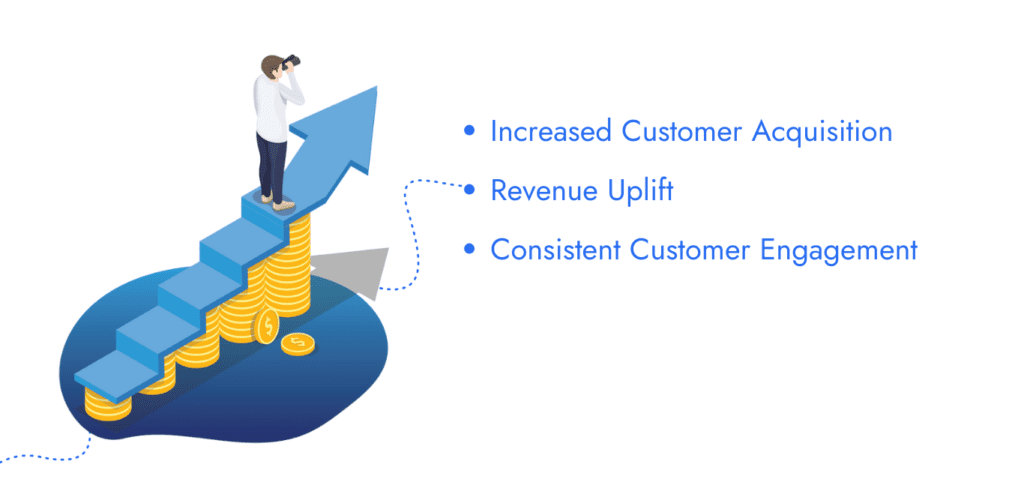
For any size business, acquiring new customers and creating strong brand affiliation is crucial right? In a setting where brands are in direct competition with others such as a shopping mall, new customers can be difficult to attract. When a new customer does walk into a store, you then need to keep them there and convert their visit into an even harder purchase!
Participating in a shopping mall loyalty program is a low-cost, low-risk opportunity for brands to gain exposure to new audiences, collect new data points, communicate more strategically, and boost engagement. These closed channels of communication are gold mines for relationship building and driving sales, but ultimately, you can only work with the data you have. Remember that having personal data is a privilege, so plan email or app interactions with care to deliver quality messages that add value to the customer experience.
The function of the US shopping mall has changed since its inception back in the 50s. Thanks to dining and entertainment provisions, the 21st-century mall now has the potential to be a ‘destination’ for the local community attracting visitors from far and wide. The promise of rewards, promotions, and exclusive benefits all make for appealing incentives to a consumer who will ultimately ‘need’ somewhere to shop, eat, and be entertained. A loyalty program takes it one step further by providing customers with memorable interactions and elevated experiences that delight and engage.
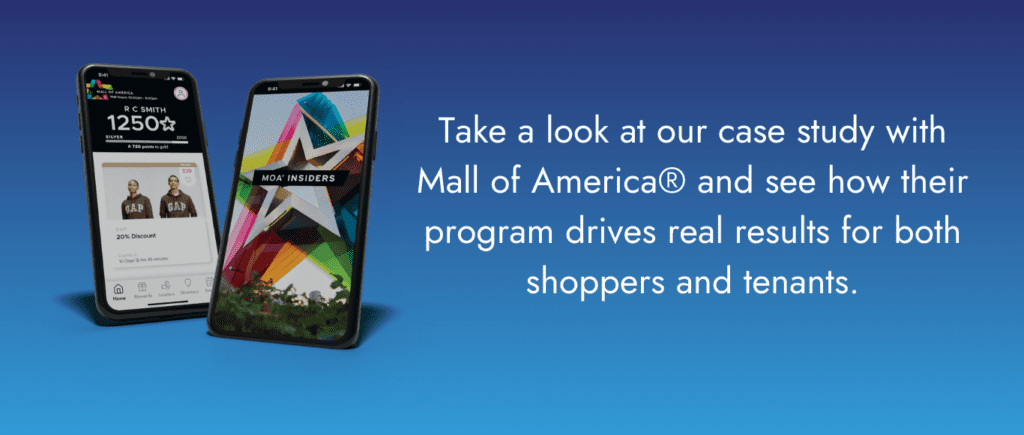
See how Irgen Retail Management’s Cliento Outlet significantly lowered its cost per acquisition using a Coniq-built loyalty platform.
Revenue Uplift
In all of our customer case studies, we see an uplift in crucial areas for both mall operators and their tenants. By tapping into and acting upon customer data, loyalty programs repeatedly drive increased spend per customer and a higher average transaction value. Often, these figures are propelled even higher by loyalty marketing campaigns, which add elements of gamification increasing the length of stay and frequency of visit per customer.
Implementing a loyalty program provides the opportunity to understand how your customers are utilizing your mall. If they’re signed up, you’ll be able to track their interactions across your site. The ideal customer will shop, eat, and play during their visit and by understanding each interaction, you’ll be able to anticipate their actions. You can then act on this insight to either promote (incentivize or reward) the areas where you want to see better performance, target specific customer segments, or identify physical optimizations that will improve usage (perhaps by offering a coffee reward to a customer who is already on site- increasing their stay and their spend).
Find out how Premier Outlet Budapest drove a 35% increase in transactions during their Premium Club Days Autumn Event
Consistent Customer Engagement
When a customer signs up for a loyalty program, they are permitting you to interact with them. Never underestimate the importance of this trust. In return for this consent, make sure that you’re providing something of value- i.e. relevant content that speaks to your audience.
With the right strategy, your customers will willingly engage with your mall and actively choose to make you their shopping destination of choice. Studies show that loyalty programs succeed when they’re easy to use and understand, and when they offer great discounts.
- Ensure that all of your customer touchpoints are straightforward and consistent across every channel (Yes, that means online, in-store, and apps!)
- Offer a smooth omnichannel experience that seamlessly links a customer’s online and in-store journey.
- Personalize at every opportunity. If you’re sending emails or push notifications, make sure you’re including offers that reflect your customers’ preferences.
Read about our recent collaboration with AW Rostamani, where we created a personalized omnichannel experience for their shoppers.
Which Type of Loyalty Program is Right for You and Your Visitors?
When designing a customer engagement program, it can be challenging to determine the most suitable model for your retail destination. That’s why Coniq has compiled a comprehensive overview of the primary types of loyalty programs, including their advantages, drawbacks, and how to optimize them for your shopping mall.
How you construct your program is up to you. It will mainly depend on:
- What business KPIs do you need your program to feed into – e.g., data collection, sales uplift, increased physical footfall, a rise in eCommerce orders, etc?
- How you can deploy the program – e.g., online, via app, physical touchpoints
- Your budget – anything is possible with unlimited funds, but what is feasible with the budget you have? (Note: Any mall operator can implement loyalty with little to no budget, just take a look at our blog to help)
Types of Loyalty Programs
‘Earn and burn’ programs are one of the most popular types of loyalty programs, utilizing a transactional model that allows customers to collect points in-store and online each time they make a purchase. These points are then redeemed in exchange for rewards or discounts. Points can be earned in several ways including frequent spend; social media interaction; newsletter sign-ups, and prize draws. In effect, any form of customer engagement or desired interaction with a specific touchpoint generates an opportunity to collect points.
Earn and burn programs have stood the test of time and there’s more than one reason that they work so well for both vendor and customer. Here are some pros and cons for the earn-and-burn model.
Pros:
- They can be inexpensive to run, yet produce high-value incentives for customers
- Easy to implement and simple to manage with the right tools
- You can amass a customer database very quickly, especially if you incentivize sign-up with a generous starting bonus or points balance
- Promote increased brand engagement, spending, and visit frequency
Cons:
- You will hold some liability against the value of points that are stored in customer accounts
- Customers can easily lapse if rewards are too difficult to attain
Points-based programs are generally suitable for brands in the retail, hospitality, or FMCG categories. The nature of the products sold in these markets provides the perfect conditions to encourage repeat purchases and high volumes of traffic. Convenience or ‘need’ is often a driver for spending in these sectors, so brands that can offer a reward for purchases that are already perceived to be necessary will easily attract program members.
The added benefit of this program type is that customers feel that they have control of their reward choice. At McDonald’s, for example, customers can generally choose between different items at each point level.
Read our dedicated Earn and Burn blog for a deeper understanding >
A tiered program enables customers to earn points or rewards for every purchase or action they take within the mall. Those rewards increase as they move up the tiered membership structure, providing higher value and benefits for customers who show increased engagement.
Generally, a tiered loyalty program will have a basic level of membership, plus exclusive levels that can only be accessed by customers who meet explicit criteria; for example, those that meet a set spend value, a defined purchase frequency, or other quantifiable behavior.
Pros:
- Bring a sense of exclusivity and luxury to your membership
- Incentivize specific customer behaviors to triple your value-per-customer rate
- Create real customer engagement with your most loyal customers by providing them with the highest-value rewards
- Can be cost-effective, as pricier rewards are only shared with those who have met your specific criteria
Cons:
- Requires a more complex implementation, with the need for accurate segmentation
- Some customers will never meet your upper-tier engagement criteria, which may exclude some revenue opportunities
- Potentially expensive to facilitate rewards in higher tiers
Retail destinations with multiple services and products can quickly and efficiently build attractive tiered programs. This type of loyalty model is great for boosting customer engagement in a shopping mall setting as each tier gives the member access to benefits that elevate their overall experience across the mall, encouraging repeat visits.
Paid loyalty programs work by offering members exclusive rewards in exchange for a monthly or annual fee. These customers may pay to access higher tier levels or simply pay to be a member of the program, for example with a subscription model. Usually, paid programs offer members high-value rewards such as benefits they wouldn’t otherwise have access to, for example, luxury lounges or event tickets.